From Forest to Workshop in Kocevje and Pohorje

Today we explore Forest to Workshop: Sustainable Woodcraft in the Kocevje and Pohorje Regions, following the respectful path from living beech, fir, and spruce to objects made for generations. These Slovenian highlands shelter primeval reserves, careful foresters, and inventive craftspeople who read each ring like a diary. Walk with us through selection, milling, seasoning, and handwork, and meet communities balancing wildlife, culture, and carbon-wise design. Your curiosity, questions, and ideas can shape what we make next.

Land and Legacy of Kocevje and Pohorje

Mountains of spruce and fir rise above beech-clad slopes where glacial soils, granite and schist, fog, and slow wind carve character into every trunk. Near Kocevje, the Krokar primeval beech reserve whispers of centuries, while Pohorje holds high bogs, black lakes, and the record-holding Sgerm Spruce. This living library teaches durability, elasticity, and patience. Understanding these places means understanding grain, density, and movement, so decisions in the workshop begin with footsteps on moss, not blueprints on paper.
South of Kocevje, the Krokar reserve, part of UNESCO’s Ancient and Primeval Beech Forests, stands beside protected Rajhenavski Rog, where fir and beech mature slowly under shade. Foresters walk lightly, marking only a few stems each cycle, listening for woodpeckers and watching orchids return. For makers, this translates into tighter latewood, reliable bending, and warm, even color—qualities that favor chairs, tool handles, and framed panels that flex gracefully without surrendering strength or dignity over decades.
Across the Drava valley, Pohorje’s plateaus host peat bogs like Lovrenska Lakes and dark Black Lake, buffering water and climate while spruce deepens its ring count. Near Ribnica na Pohorju, the Sgerm Spruce stretches astonishingly tall, reminding us what patient growth can achieve. Boards sawn from such steady mountain timber resist twisting, accept clean joinery, and resonate musically when planed thin for panels, instrument parts, and backboards that remain stable through winters of stoves and summers of storms.
Every board carries origin: beech bright and fine-pored from cooler slopes, fir light yet resilient from mixed stands, spruce straight and clear near higher ridges, maple quietly shimmering in valley edges. Knowing where each grew informs thicknessing, joint placement, and finish choice. Instead of forcing uniformity, we honor difference, pairing species to task and orientation, aligning grain with load paths, and turning local nuance into beauty that feels inevitable, useful, and kind to maintain through years.

Responsible Harvesting and Sawmill Journeys

{{SECTION_SUBTITLE}}
Marking, Timing, and Light-Touch Felling
Foresters first map habitat needs, denning seasons, and watercourses, then paint discreet marks on candidates ready to make room for younger crowns. When frost hardens soil, teams fell with directional hinges, winch sparingly, and favor horses on delicate ground. Damage to standing trees is treated like a debt to be repaid with pruning and planting. The result is cleaner logs, safer crews, and forests that look almost untouched, even as material quietly leaves for purposeful making.

From Log to Board: Mills With a Conscience

In valley mills, a quick bark pass reveals knots and sweep. Quarter-sawing beech reduces cup and displays medullary ray fleck, while through-and-through cuts on spruce maximize clear spans for framing. Stickered stacks rise under deep eaves, numbered and recorded with origin and date. Waste becomes chips for animal bedding or briquettes that later fuel a kiln. Decisions center on forward use: the future chair’s legs nested from one log so color and movement align harmoniously.

Craft Methods and Joinery Without Waste

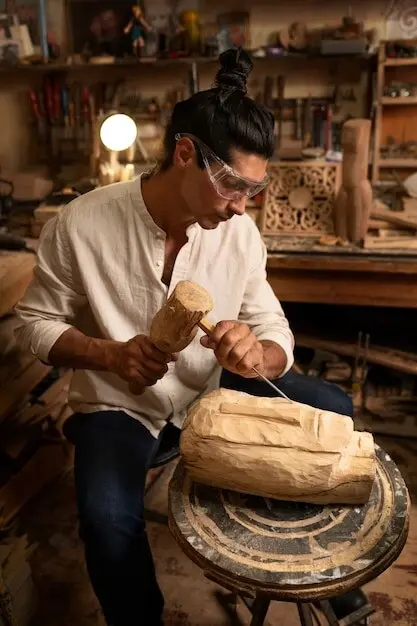
In the workshop, restraint becomes creativity. By planning cuts around defects and honoring grain direction, offcuts shrink, and remaining ones become spoons, wedges, and test joints. Joinery choices lean mechanical, relying on geometry more than adhesives. Drawbored mortise-and-tenon, sliding dovetails, and wedged through tenons create repairable strength. Techniques echo farm buildings and hayracks across Slovenia, yet proportions feel modern. Tools are sharpened often, motors run briefly, and ideas outrun noise as surfaces emerge clean and calm.

Design That Ages Well and Breathes

Selecting Species for Real Life

Beech carries chairs and tool handles with superb compressive strength and pleasantly warm touch. Spruce serves shelves and case backs where lightness matters, while fir frames hold steady under racking. Oak or maple step in for tabletops that see knives and cups. Where water visits, we lift pieces on tiny feet and choose oil-wax blends that welcome reapplication. Matching species to duty reduces frustration, avoids overbuilding, and preserves the local forest mix through thoughtful, balanced demand.

Finishes That Feed the Fiber

Rather than trapping wood beneath plastic films, we favor penetrating plant oils, resin-hardwax blends, and occasional shellac for renewability and glow. Soap finish on beech invites gentle upkeep, brightening with every scrub. Where deeper protection is needed, polymerized linseed oil cures hard without synthetic solvents. Natural pigments reduce glare and celebrate grain, not hide it. We document each finish so future owners can refresh surfaces confidently, extending service life while keeping indoor air sweet and comfortable.

Repair, Renewal, and the Second Owner

Design decisions anticipate accidents and moves. Knock-down fasteners hide inside wedged joints, allowing transport without trauma. Seat rails accept new rush or webbing. Replaceable feet handle years of mopping. We include a care sheet, spare pegs, and offcut samples for color-matched touch-ups. Serial numbers link to provenance records: stand, slope, and mill. When families pass pieces along, stories travel too, creating a durable bond between forested slopes and daily rituals at breakfast, homework, and quiet evenings.

Communities, Wildlife, and Learning Paths

Woodcraft here is inseparable from neighbors—human and wild. Kocevje’s forests host brown bears, lynx, and capercaillie; timing and routing must respect their rhythms. Villages share mills, forges, and festivals where techniques mingle. Ribnica’s centuries-old woodenware trade still inspires peddlers’ tales and market days. In Maribor, at Pohorje’s foot, makers swap tips in studios and schools. Walks to Krokar or Lovrenska Lakes become classrooms where families meet mosses, track prints, and imagine futures worth building together.

Sharing Mountains With Bears and Birds

Active den sites and lekking grounds guide calendars, keeping noisy work away from sensitive weeks. Food waste stays sealed; crews carry bear spray they rarely need. Wildlife cameras confirm corridors remain open after skidding. Birdsong returns quickly where crowns reopen carefully. This attention preserves more than reputations; it preserves options for children who will manage these woods next. When furniture enters homes, it brings that respectful attitude inside, reminding us daily of coexisting responsibilities.

Apprenticeships and Gatherings

In Kocevje and Ribnica workshops, teenagers learn to grind chisels square, steam-bend beech, and name trees by bark. Elders recount how peddlers once roamed Europe with crates of spoons blessed by a 1492 license. In Maribor studios near Pohorje’s trails, meetups demo dovetails, repairs, and finishing tricks. Open benches welcome questions, failures, and small victories. Knowledge flows in both directions, renewing craft as surely as spring sap rises, while building livelihoods that stay rooted and fair.

Trails Where Ideas Take Root

Interpretive paths lead to Krokar’s overlooks and across Lovrenska Lakes’ wooden walkways, where sphagnum floats and larches reflect in tea-dark water. Families read about peat’s slow formation, measure rings on fallen trunks, and discuss why selective logging matters. After hikes, visits to mills or studios turn observation into making. Children plane shavings; parents ask about moisture meters. The landscape becomes a mentor, and design choices suddenly feel personal, practical, and wonderfully connected to Saturday footprints.

Get Involved: Co-create, Visit, and Stay Connected

Your questions and aspirations shape what we build next. Tell us how you cook, gather, and rest, and we will suggest forms, woods, and finishes that fit your daily rhythms. Visit Kocevje and Pohorje to see stands, stacks, and benches in action. Join conversations in comments, send photos of your spaces, and subscribe for workshop notes, trail tips, and event dates. Together we can keep value close to the forest and stories close to the table.
Lorokentodavo
Privacy Overview

This website uses cookies so that we can provide you with the best user experience possible. Cookie information is stored in your browser and performs functions such as recognising you when you return to our website and helping our team to understand which sections of the website you find most interesting and useful.