
Bring Home Stories, Not Stuff: Ethical Finds Across Slovenian Villages
Set out across Slovenia’s villages with a traveler’s conscience and a curious heart. This guide shows where to buy locally made goods directly from artisans, cooperatives, and family farms, ensuring fair pay, authentic provenance, and minimal waste. Expect lace threaded with patience, wood carved by generations, salt harvested by wind and sun, and cheeses matured among alpine pastures. Shop slowly, ask questions, support local livelihoods, and bring home stories worth retelling.
Provenance Over Price

Ask who made the piece, where the raw materials were sourced, and how long it took. In Slovenia you will often hear stories about linden wood, mountain wool, or family salt pans. Paying a little more supports transparent work, safer processes, and continuity of knowledge carried across generations.
Respectful Exchange
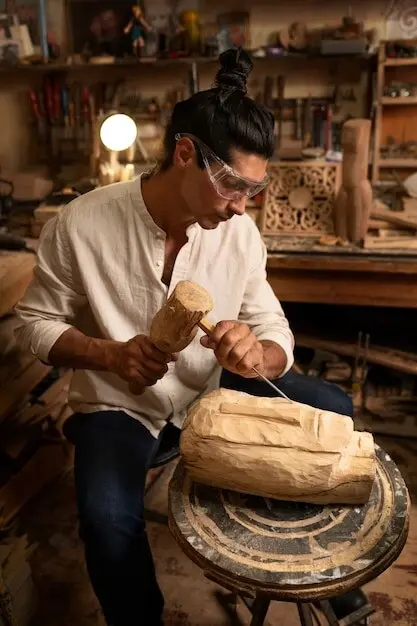
Rather than bargaining hard, consider rounding up, praising craftsmanship, and learning a word or two of Slovene greetings. Many village workshops price honestly to reflect labor. Mutual respect builds friendships, unlocks demonstrations, and sometimes invites you into back rooms where tools shine and apprentices quietly learn.
Longevity and Repair

Prefer items that can be maintained, sharpened, resewn, or rewaxed, reducing waste and honoring the maker’s intent. Ask about care instructions and local repair contacts. In the Alps and karst, durable design is tradition, and your stewardship keeps that practical wisdom alive at home.
Faces Behind the Craft
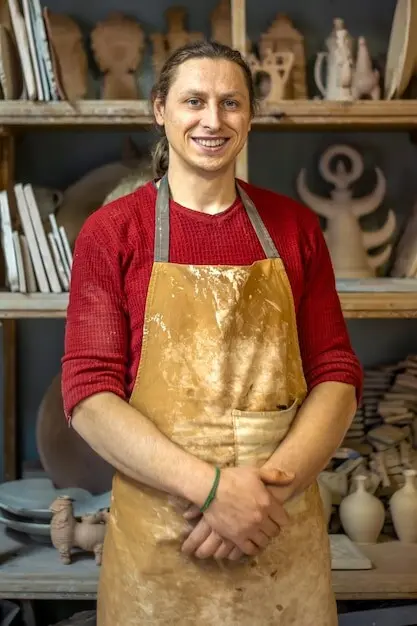
Across valleys and coast, small workshops hum with patience. In Idrija, lace makers chart patterns like cartographers. In Ribnica, families carve spoons with songs inherited from grandparents. Along the salt pans near Piran, harvesters read wind and brine like a diary. Meeting them turns purchases into friendships.
Visit the lace school or a kitchen table lesson where bobbins click like rain. Ask about motifs inspired by mines and meadows. Handmade pieces require weeks, sometimes months, which explains pricing and imbues each scarf or collar with stories woven into every delicate crossing.
At the Handicraft Centre, watch knives whisper through linden and maple. Makers still shape spatulas, sieves, and playful toys, balancing usefulness with charm. Buying directly means names on receipts, care tips from the source, and a lineage of everyday tools continuing at your own table.
Trusted Places to Shop in Villages
Find reliable addresses by seeking cooperatives, heritage centers, farm shops, and weekly village markets where producers stand proudly by their goods. Staff can introduce makers, demonstrate techniques, and issue receipts with workshop details. These hubs safeguard traditions while making purchases straightforward, fair, and deeply connected to place.
Start at places like the Idrija Lace Centre, Ribnica Handicraft Centre, or the Rinka Centre in Solčava, where curated selections meet traceable origins. Exhibits explain context, staff share maker contacts, and proceeds support training, apprenticeships, and rural livelihoods that keep young families rooted in mountain and valley communities.
Follow small wooden signs to cheese rooms, honey sheds, and herb gardens. Ask for tastings of Tolminc or Bovški cheese where permitted, and meet the people who rise before dawn. Your purchase strengthens pasture care, animal welfare, and landscape stewardship that tourists come to admire in every season.
Many villages host stalls near churches or town squares on set days, often announced on bulletin boards. Arrive early for the best selection and longer conversations. Seasonal festivals gather makers from surrounding hamlets, offering comparison, camaraderie, and lively music that turns shopping into an unforgettable morning wander.
Authentic Finds Worth Your Backpack Space
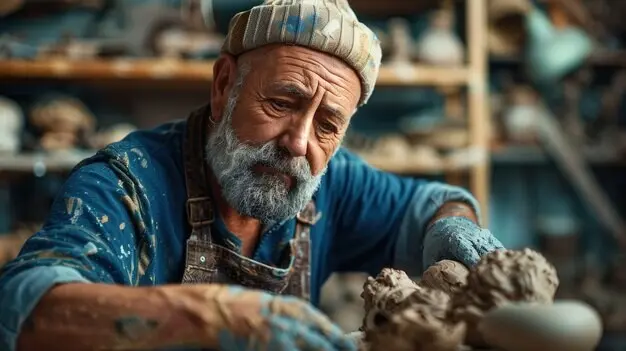
Curate pieces that tell of landscapes and hands: lace edging a linen handkerchief, a ribbed wooden spatula polished by soup, coarse sea salt in paper, a straw basket that breathes, or wool socks knit near grazing bells. Choose flavors and textures that travel, store safely, and spark conversations later.
Labels That Matter
Look for the national Art&Craft Slovenia certificate on handmade goods, and EU quality marks on foods such as PDO or PGI for cheeses and meats. These signals reduce guesswork, connect purchases to verifiable standards, and help small producers compete fairly without sacrificing materials, methods, or pride.
Receipts and Maker Details
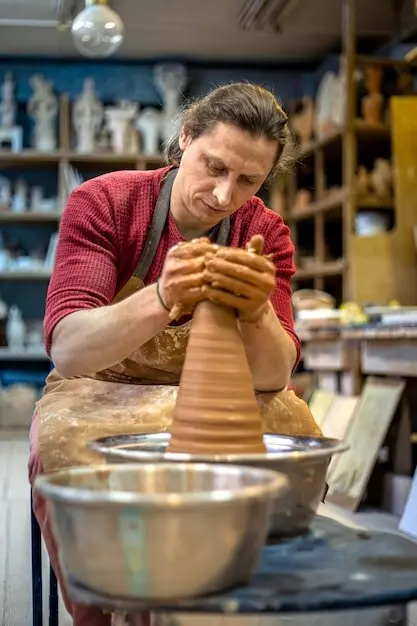
Ask the seller to include the artisan’s name, workshop address, and product description on the receipt. This paper trail protects you during transit, supports warranty or repair, and records the human connection that makes a wooden spoon or lace brooch so much more than decoration.
Spotting Mass-Produced Imports
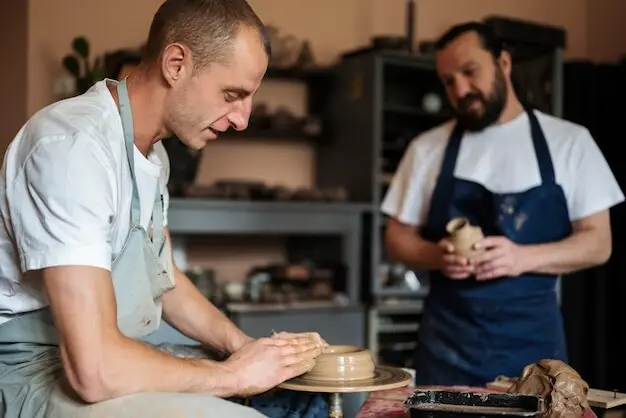
Trust your senses: repetitive patterns, suspiciously low prices, and vague supplier stories warn of imports. Authentic village stalls usually share material origins, care tips, and variations. When uncertain, pause, compare nearby makers, and choose the piece whose imperfections whisper confidently about hands, time, and accountable work.
Pack Light, Support Right
Practical planning keeps values intact. Bring a reusable tote, small bubble sleeves for fragile items, and cash for tiny hamlets with spotty connectivity. Ask about shipping from local post offices, declare food at borders, and prefer consolidated purchases that minimize packaging while maximizing the money reaching rural households.
Walk the Path With Fellow Travelers
Community amplifies impact. Share artisan addresses, leave reviews that emphasize craftsmanship, and help newcomers avoid counterfeits. Subscribe for new routes through hamlets and valleys, from Brda orchards to Solčava panoramas, and join conversations that celebrate slow shopping, cultural humility, and the joyful responsibility of traveling well.
Share Your Finds
Post photos with maker permission, tag locations respectfully, and describe processes you learned. Your notes help others recognize quality and arrive prepared with patience, cash, and reusable bags. Include opening hours or phone numbers when allowed, strengthening visibility for rural workshops that rarely appear on big platforms.
Support Beyond the Trip
Stay in touch through cooperative newsletters or artisan social pages. Many makers accept small custom orders or seasonal preorders, which smooth income between markets. Gifting ethically bought pieces to friends multiplies support, turning your initial visit into a gentle, sustaining ripple across villages and seasons.
Join Our Slow-Souvenir Map
Contribute addresses, photos, or corrections to our evolving map of ethical shopping spots. Subscribe for updates, answer fellow travelers’ questions, and suggest artisans we should meet. Together we can celebrate careful purchases, protect fragile traditions, and make every coin spent an investment in living heritage.